Modern construction equipment

Published - 19 April, 2024

The construction industry is one of the most important in the economy of any country. That is why construction technologies are constantly improving, and modern construction equipment is becoming more and more advanced and efficient. In this article, we will consider the main trends in the development of construction equipment that exist in the world as of 2024. We will present a comprehensive overview of current trends in the construction equipment industry and outline the prospects for further development of this area.
Robotics in construction
Technical innovations play an important role in modern construction. They help to build complex objects faster, safer and with better quality. Thanks to advanced developments of engineers, builders now have in their arsenal powerful machines and mechanisms capable of performing a wide variety of tasks – from earthworks to the installation of structures at considerable heights.
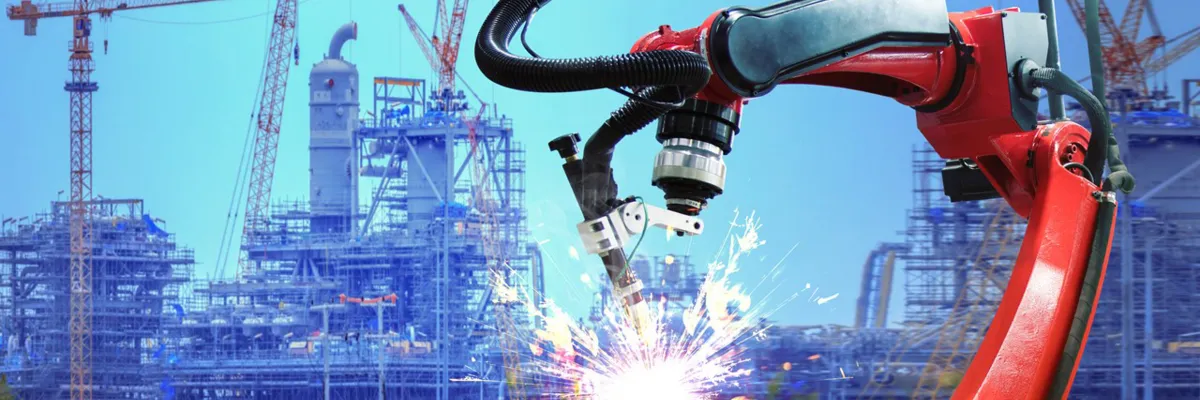
When considering the main trends in construction technology, it is worth paying attention to the processes of automation and robotization. Robotics is necessary in construction, and its importance will only grow in the future. Robots are able to perform various tasks on the construction site, increasing the efficiency and safety of work.
Automatic working machines
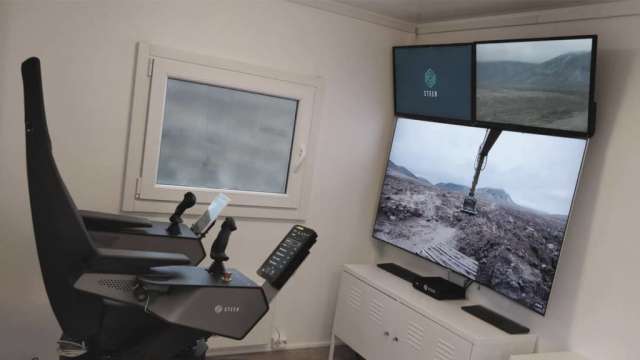
One of the main trends is the use of autonomous work machines. These are excavators, bulldozers, dump trucks and other types of equipment that can operate without direct control from the operator. Thanks to computer vision systems, GPS navigation and other sensors, these machines navigate the terrain and accurately perform programmed operations. Autonomous equipment is especially effective when performing monotonous tasks, such as moving soil or materials.
Specialized construction work
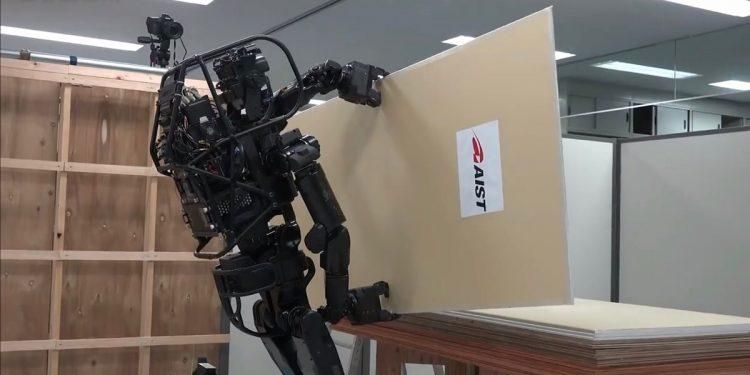
Another important direction is the development of specialized construction robots. These machines are designed to perform specific tasks, including wall masonry, painting, welding, etc. Due to their compact size and high accuracy of movements, construction robots can work in confined spaces and create complex structures. Some prototypes of such equipment have already been successfully tested on real construction sites.
Benefits and possible risks of using robotics
Of course, the use of robotics in construction has both advantages and certain risks and challenges that need to be considered. Among the main advantages are the following:
- Increasing efficiency and speed of work. Such equipment can work 24/7 without interruptions and fatigue, which allows you to significantly speed up construction processes.
- Improved quality and accuracy. Thanks to computer control systems, robots are able to perform complex operations with high precision, minimizing errors and defects.
- Improving safety on the construction site. Automation of hazardous processes helps reduce risks to the health and life of workers.
- Optimize material usage and reduce waste. Robots can work with high precision, minimizing construction waste.
At the same time, there are certain risks and problems associated with the high cost of equipment and the need for significant initial investments, which can be an obstacle for small and medium-sized companies. In addition, there is a need for highly qualified specialists to maintain and program robots, which requires additional training of personnel or hiring new staff.
Innovative materials in construction
It is difficult to imagine modern construction without the use of innovative materials. Thanks to scientific research and technological breakthroughs, new products with unique properties regularly appear on the market. Let’s take a closer look at some of the most promising areas.
Nanomaterials
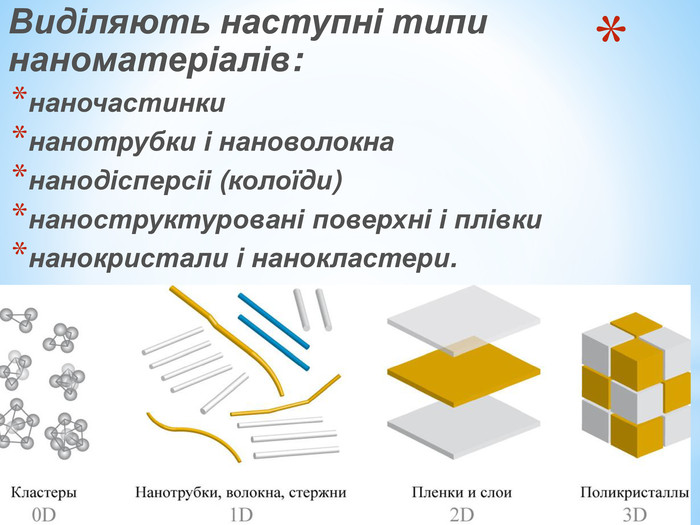
One of the trends is the use of nanomaterials. These are substances and structures whose dimensions are measured in nanometers (billionths of a meter). Due to their special internal structure, nanomaterials have excellent mechanical, optical, electrical and other characteristics. For example, adding carbon nanotubes to concrete allows you to significantly increase its strength and durability, and the use of titanium dioxide nanoparticles gives surfaces self-cleaning properties.
Smart materials
Another direction is the integration of smart materials, which are able to change their properties under the influence of external factors. In particular, there are special types of glass that darken with increasing light intensity or, conversely, become more transparent with increasing temperature. This makes it possible to create adaptive building facades that regulate energy consumption depending on weather conditions. Also promising are materials with shape memory, which are able to return to their original configuration after deformation.


Environmentally friendly materials
Another important trend is the development of environmentally friendly building materials. In the context of growing attention to environmental issues, developers are increasingly preferring products with a minimal carbon footprint and the possibility of recycling.
The impact of artificial intelligence on construction
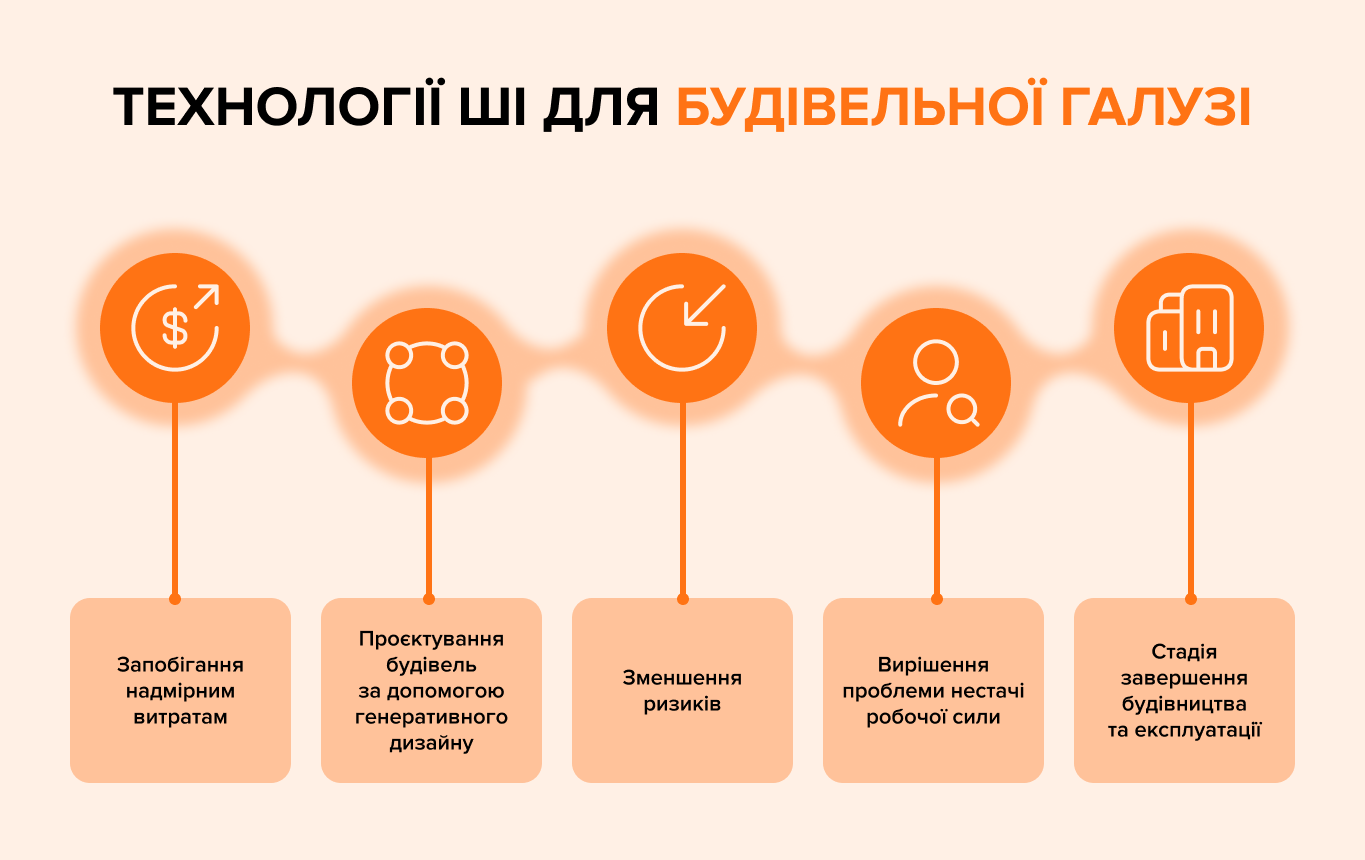
Artificial intelligence is already having a significant impact on construction and will only grow in the coming years. AI technologies help optimize the design, construction, and operation of facilities, increasing efficiency and reducing costs.

Data analytics
One of the main directions is the use of data analytics to optimize construction processes. Modern construction projects generate huge amounts of information – from design documentation to sensor readings on the site. Thanks to machine learning tools, this data can be analyzed in real time, revealing patterns and potential problems.
For example, AI systems are able to predict possible delays in material deliveries or warn about the risks of exceeding the budget.
Automated management
Another important area of application of AI is the automation of construction project management. These are special software platforms that allow you to coordinate the work of all participants in the process – from architects and engineers to subcontractors and suppliers. These systems automatically track the progress of work, monitor compliance with deadlines and budget, and also help to quickly respond to changes and force majeure. Thanks to AI algorithms, such platforms can independently make certain decisions and optimize the work schedule.
Prospects for the use of technologies in construction
The prospects for the development of artificial intelligence in construction look very promising. In the future, AI technologies will help to further automate design, creating detailed 3D models of buildings, taking into account all engineering systems and communications. AI will also play an important role in managing “smart” buildings, optimizing energy consumption, microclimate and other parameters for the comfort of residents.
<
Virtual and augmented reality technologies
Virtual (VR) and augmented (AR) reality are powerful tools that are increasingly being used in construction. These technologies allow you to create realistic digital models of objects and interact with them interactively. This opens up new possibilities for design, visualization and project management.
Designing with VR/AR

One of the main areas of use of VR/AR is the design and visualization of buildings. Thanks to special programs, architects and engineers can create detailed 3D models of future objects and “immerse” themselves in them using VR helmets. This allows you to visually assess the design of premises, the location of engineering systems and equipment, as well as identify potential problems before construction begins. In addition, VR technologies help present projects to customers and investors in an interactive format, which improves communication and speeds up the coordination of solutions.
Using VR/AR in education
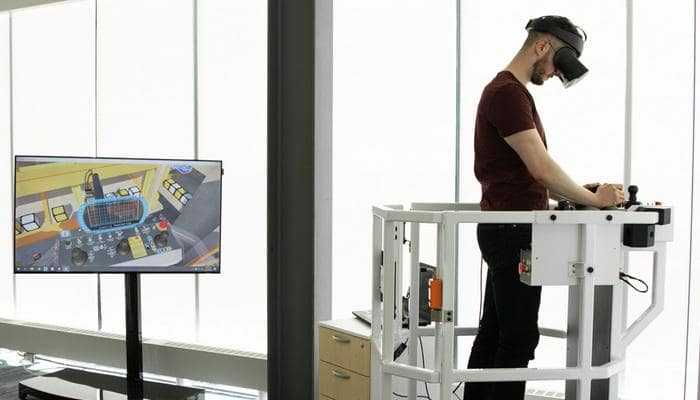
Another area of application of VR/AR is the education and training of construction workers. Thanks to realistic simulations, workers can practice complex operations and actions in a safe digital environment. For example, virtual simulators help to learn how to operate construction equipment, perform installation work at height or practice actions in emergency situations. This approach is a guaranteed opportunity to increase the effectiveness of training and minimize risks to the health and safety of personnel.
Other options for applying VR/AR technologies
In addition, VR/AR technologies help improve communication and coordination between participants in construction projects. Thanks to the ability to create shared virtual spaces, specialists from different specialties can effectively interact and exchange information regardless of physical location. This is especially important for large-scale projects involving a large number of contractors and suppliers.
Energy efficiency in construction
Ensuring energy efficiency is one of the main priorities of modern construction. In the context of rising energy prices and aggravating environmental problems, engineers are looking for ways to minimize the energy consumption of buildings and reduce their carbon footprint. There are several main trends in this area:
- Use of alternative energy sources, including solar panels. Thanks to cheaper technologies and government support programs, more and more buildings are being equipped with photovoltaic systems that generate clean electricity. Modern solar panels can be integrated directly into the roof or facade of a building, providing not only energy but also additional thermal insulation. In addition, other renewable sources are gaining popularity, including wind turbines, heat pumps, and biogas plants.
- Development of energy-efficient heating, ventilation and air conditioning (HVAC) systems. Modern HVAC systems use advanced technologies, including heat recovery, variable fan speed, and intelligent control algorithms based on presence sensors and microclimate parameters.
- Reducing CO2 emissions. According to the International Energy Agency, energy-efficient solutions can provide up to 40% of the emissions reductions needed to meet global climate goals. Therefore, many countries already have building standards and certifications in place that encourage the creation of environmentally friendly and energy-efficient buildings.
Implementing advanced energy-efficient solutions may require additional investments during the design and construction stages. However, experience shows that these costs are quickly repaid through energy savings during operation.
Safety and health on construction sites
Ensuring the safety and health of workers is one of the most important tasks in construction. Despite the significant progress made in this area in recent decades, the risks of injuries and occupational diseases in construction remain quite high. Therefore, the implementation of innovative solutions to improve safety is an extremely relevant trend.
A promising direction is the use of drones to monitor construction sites. Drones equipped with cameras and sensors help to remotely monitor the progress of work and identify potential threats in real time. Another important direction is the development of digital systems for tracking and controlling work processes.
Excavators and other construction machinery
Modern models of these machines are equipped with the most advanced control and automation systems, which allows to significantly increase the efficiency and accuracy of work. One of the important innovations in this area is the use of intelligent control systems. Such systems allow to prevent overloads and emergency situations, thereby extending the service life of the equipment.
Another important trend is the integration of GPS technology. Operators can quickly and accurately perform tasks such as digging pits to a specified depth or profiling slopes at the desired angle.
There are truly innovative machines on the market today. For example, the Cat 336 hydraulic excavator is equipped with the advanced Cat Grade with Assist system, which automatically adjusts the movements of the boom and bucket to achieve the specified parameters. And the Komatsu PC360LCi-11 model has a unique Intelligent Machine Control system, which combines data from various sensors and allows you to automate up to 80% of the work cycle.
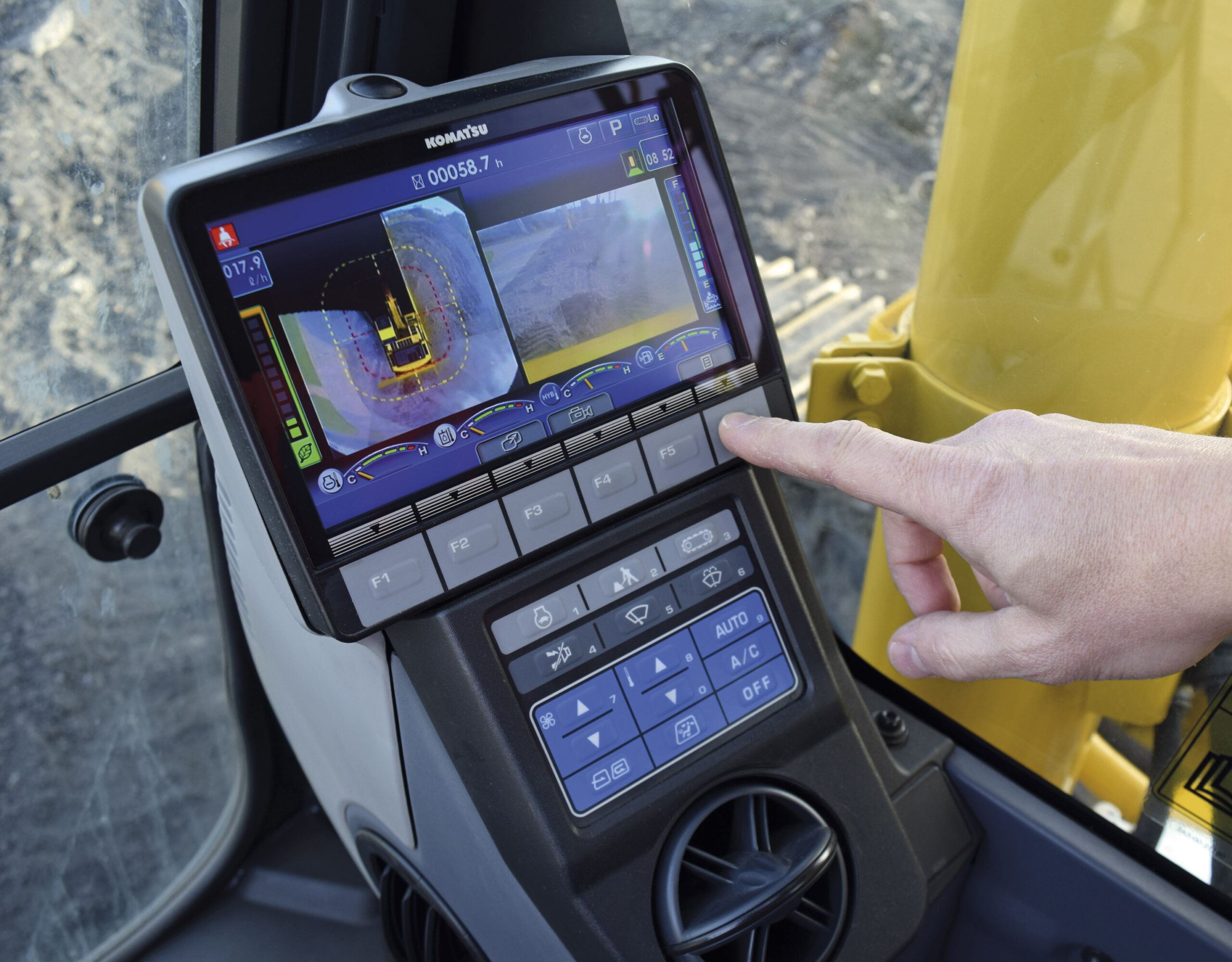
Thanks to advanced technologies and innovative solutions, modern excavators and other construction machines are becoming more productive, safer, and “smarter.”
Other innovative technology
The development of construction equipment largely determines the efficiency and capabilities of the industry. The construction crane is one of the most important types of equipment on the site. Modern cranes are equipped with highly efficient hydraulic systems that ensure smooth and accurate operation. Other popular trends in this direction:
- remote control systems;
- use of lightweight structures made of special alloys;
- computerized control systems.
Concrete pumps and construction mixers are also constantly being improved. Advanced models are equipped with computer-controlled batchers for preparing the concrete mix and optimizing the mixing process. Sensors and communication modules built into concrete pumps allow for remote monitoring of operating parameters and prompt response to deviations.
In the field of trucks and auxiliary equipment, automated lifting systems are becoming more widespread, helping to move and position loads with high precision.
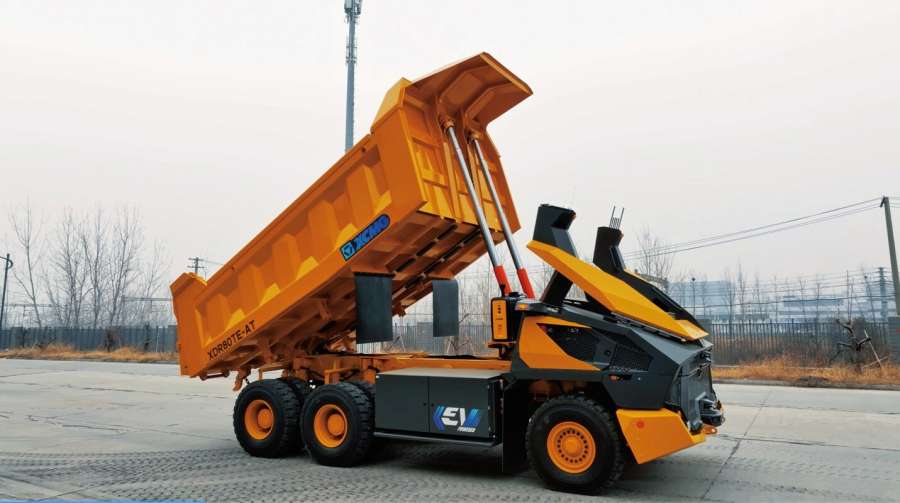
In the construction vehicles segment, electric and hybrid models of dump trucks, excavators and other equipment are offered. Thanks to them, it is possible not only to reduce emissions of harmful substances and noise levels, but also to significantly reduce fuel costs. Thus, modern technologies are becoming increasingly efficient, environmentally friendly and advanced.
Specialists of the company “Forest-Ukraine” use high-quality and reliable construction equipment to perform construction tasks, which is why customers from all over Ukraine trust us.